10 Common Laundry Mistakes That Damage Clothes (And How to Avoid Them)
Are your clothes fading, shrinking, or wearing out too quickly? Discover the 10 most common home laundry mistakes and how simple adjustments can save your wardrobe.
Doing laundry seems simple enough: dump clothes into the machine, add a scoop of detergent, press start, and walk away. Yet, many people find their favorite t-shirts shrinking, colors turning dull and gray, jeans fraying prematurely, and workout gear smelling sour even after washing.
More often than not, the culprit is not poor-quality clothing, but subtle home laundry mistakes that gradually destroy fabric fibers cycle after cycle.
Here are the 10 most common laundry mistakes and how to fix them immediately to keep your wardrobe fresh, soft, and long-lasting.
1. Using Too Much Detergent
More soap does NOT mean cleaner clothes. In fact, it does the exact opposite:
- Excess detergent creates too many suds that cushion clothes from rubbing together, reducing cleaning efficiency.
- Modern washing machines cannot fully rinse out excessive soap. The residual detergent settles into fabric fibers, creating a sticky film that traps bacteria, turns white clothes dingy, and attracts more dirt.
- The Fix: Use only the recommended dose on the detergent bottle—usually 2 to 3 tablespoons for a regular load.
2. Washing Everything in Hot Water
Many people believe that hot water is required to kill germs and get clothes clean.
- Hot water weakens cotton fibers, shrinks wool, and breaks down the elastane in stretch denim and athletic wear. It also causes bright dyes to bleed and fade.
- Modern enzyme-based detergents are chemically formulated to clean effectively in cold water (20°C to 30°C).
- The Fix: Reserve hot water exclusively for heavily soiled white bedsheets, bath towels, and cloth diapers. Wash everyday clothing in cold or lukewarm water.
3. Forgetting to Zip Up Zippers
Open metal zippers are essentially miniature saws inside a tumbling washing machine:
- As the drum spins, jagged zipper teeth snag delicate knits, pull threads on lace, and slice microscopic tears into cotton t-shirts.
- The Fix: Always zip up all zippers, snap closures, and fasten bra hooks before placing clothes into the wash.
4. Overloading the Machine Drum
Packing the washing machine to the brim saves time, but it ruins your wash:
- Clothes need free space to circulate, tumble, and allow water and detergent to penetrate every fiber.
- When overloaded, clothes rub harshly against each other in tight clumps, causing friction pilling and uneven cleaning.
- The Fix: Leave at least a hand’s width of empty space between the top of the laundry pile and the top of the drum.
5. Using Fabric Softener on Activewear & Towels
Liquid fabric softeners work by coating fibers with a thin layer of water-repellent wax or silicone to make them feel silky:
- On bath towels, this coating destroys absorbency, making the towel slide over wet skin without soaking up water.
- On activewear (Dri-FIT, spandex, nylon), the wax locks in sweat and bacteria inside the synthetic pores, leading to permanent gym odor.
- The Fix: Never use fabric softener on towels or gym wear. Use white vinegar in the rinse cycle instead to soften naturally without waxy residue.
6. Over-Drying Clothes on High Heat
Tumble dryers are convenient, but excessive heat is the primary cause of garment shrinkage and elastic fiber breakdown.
- High heat bakes residual moisture, causing cotton collars to curl and spandex waistbands to lose their elasticity.
- The Fix: Remove clothes while they are slightly damp and let them finish air drying on hangers or a drying rack.
7. Rubbing Stains Aggressively
When a spill happens, instinct tells people to scrub the spot vigorously.
- Aggressive rubbing breaks the surface fibers of the weave, causing permanent discoloration and a fuzzy texture (pilling) that cannot be undone.
- The Fix: Always dab and blot with a clean cloth. Let stain-lifting enzymes do the chemical work.
8. Leaving Wet Clothes Sitting in the Washer
Forgetting a load of damp laundry in the machine for several hours creates the perfect breeding ground for mold, mildew, and sour bacterial odors.
- Once mildew sets in, clothes require multiple hot vinegar rinses to remove the sour smell.
- The Fix: Transfer clothes to the dryer or drying rack immediately after the cycle ends.
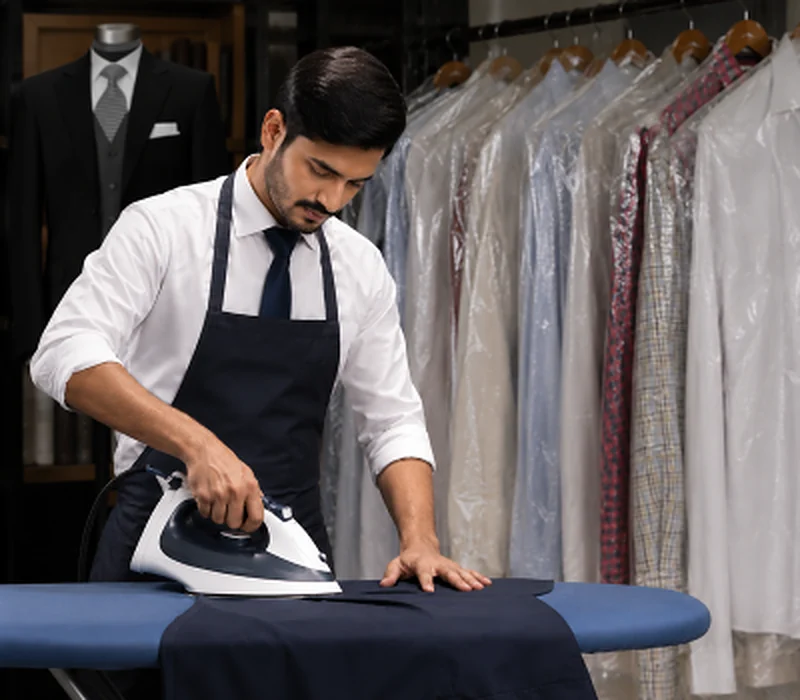
9. Ironing Over Stains
If an iron passes over an untreated or partially washed stain, the high thermal heat chemically bonds the stain into the fabric weave, making it permanent.
- The Fix: Always inspect garments before ironing. If a stain remains, re-treat and wash it again before applying heat.
10. Ignoring "Dry Clean Only" Labels
Treating a dry-clean-only label as a suggestion is a recipe for heartbreak. Expensive silks, structured suits, and cashmeres will shrink, warp, and lose their tailored lines when immersed in water.
Whenever you are pressed for time or dealing with clothes that require expert care, trust Luxur Clean's convenient Wash and Fold and Dry Cleaning doorstep services.
Frequently Asked Questions
Common questions and expert advice related to this topic.
Need Professional Care for Your Wardrobe or Home?
Enjoy reliable doorstep laundry, eco-friendly dry cleaning, shoe restoration, and on-site sofa cleaning across Delhi, Noida, Ghaziabad, and Gurugram.